7 Warning Signs Your Home's Electrical System Needs Attention
Your home's electrical system works quietly behind the scenes every day, powering lights, appliances, electronics, and more. But when something isn't right, it often gives you warning signs before a serious problem develops. Knowing what to look for can help you address issues early and keep your home safe.
At Coffing Electric, we help homeowners across Central Ohio identify and resolve electrical problems before they become dangerous. Here are seven warning signs that your home's electrical system may need professional attention.
1. Frequently Tripped Breakers
Circuit breakers are designed to trip when a circuit is overloaded or has a fault. If the same breaker trips repeatedly, it may indicate that the circuit is overloaded, has a short, or is experiencing another issue.
Avoid resetting the breaker repeatedly without investigating the cause. A licensed electrician can evaluate the circuit and recommend the appropriate solution.
2. Flickering or Dimming Lights
Lights that flicker or dim when appliances turn on can be more than a nuisance. This may suggest that the circuit is overloaded, the wiring is loose, or the electrical panel is struggling to keep up with demand.
If the flickering is isolated to a single fixture, the issue may be with the fixture or bulb. If it happens throughout your home, it's worth having your electrical system inspected.
3. Warm or Discolored Outlets
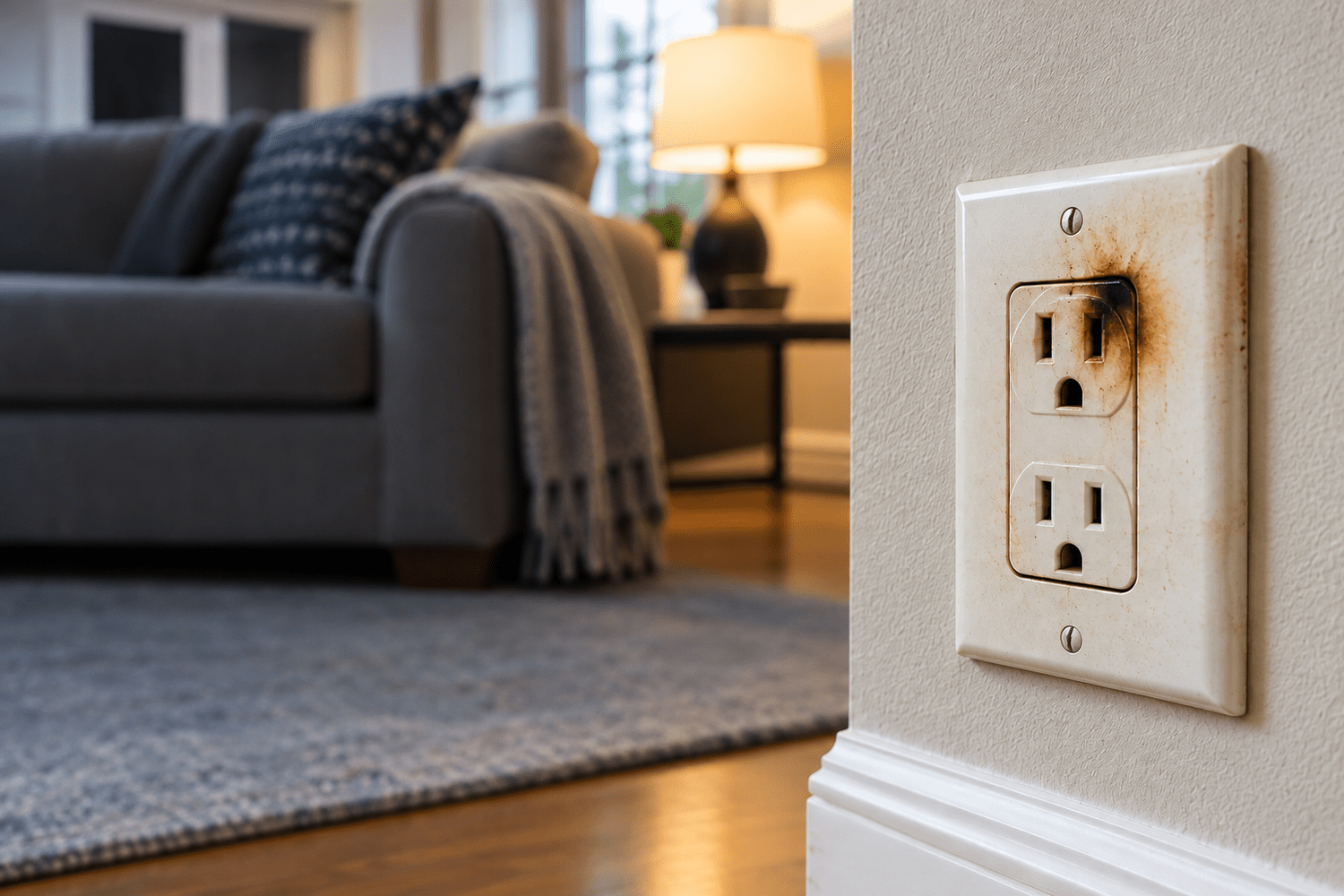
Electrical outlets should never feel unusually warm or show signs of scorching, discoloration, or melting. These symptoms may point to loose connections, damaged wiring, or excessive heat.
Stop using the affected outlet and contact a licensed electrician. If you notice smoke, sparks, or an active burning smell, leave the area if necessary and call emergency services.
4. Buzzing or Crackling Sounds
Electricity should generally operate quietly. Buzzing, sizzling, or crackling sounds coming from outlets, switches, or your electrical panel can indicate a potentially serious problem.
Never remove electrical panel covers or attempt to investigate internal wiring yourself. Have a professional evaluate the issue promptly.
5. Burning Smells Near Electrical Components
A persistent burning-plastic or fishy odor near an outlet, switch, appliance, or electrical panel can signal overheating components or damaged wiring.
Take the smell seriously. Stop using the affected equipment, avoid touching anything that appears damaged, and seek professional help. If you see smoke or fire, evacuate and call 911.
6. An Outdated Electrical Panel
Older homes may have electrical panels that were not designed to handle today's power demands. New appliances, home additions, and electric vehicle chargers can place additional demands on an existing system.
If your home has an aging panel, limited circuit capacity, or recurring electrical problems, an electrician can determine whether an upgrade is appropriate.
7. Outlets That Don't Meet Your Needs
Do you rely on extension cords and power strips throughout your home? This may indicate that your electrical system needs additional outlets or dedicated circuits.
A professional electrician can assess your household's needs and recommend safe solutions, helping reduce reliance on temporary electrical connections.
Keep Your Home Safe with Coffing Electric
Electrical problems shouldn't be ignored. Recognizing these warning signs early can help protect your family, prevent property damage, and keep your home's electrical system operating reliably.
If you've noticed any of these issues, don't wait for the problem to get worse. Contact Coffing Electric to discuss your electrical concerns and schedule professional service.
When it comes to your home's electrical safety, it's always better to address a problem early than to take a chance.
Keep Reading
More from the Blog
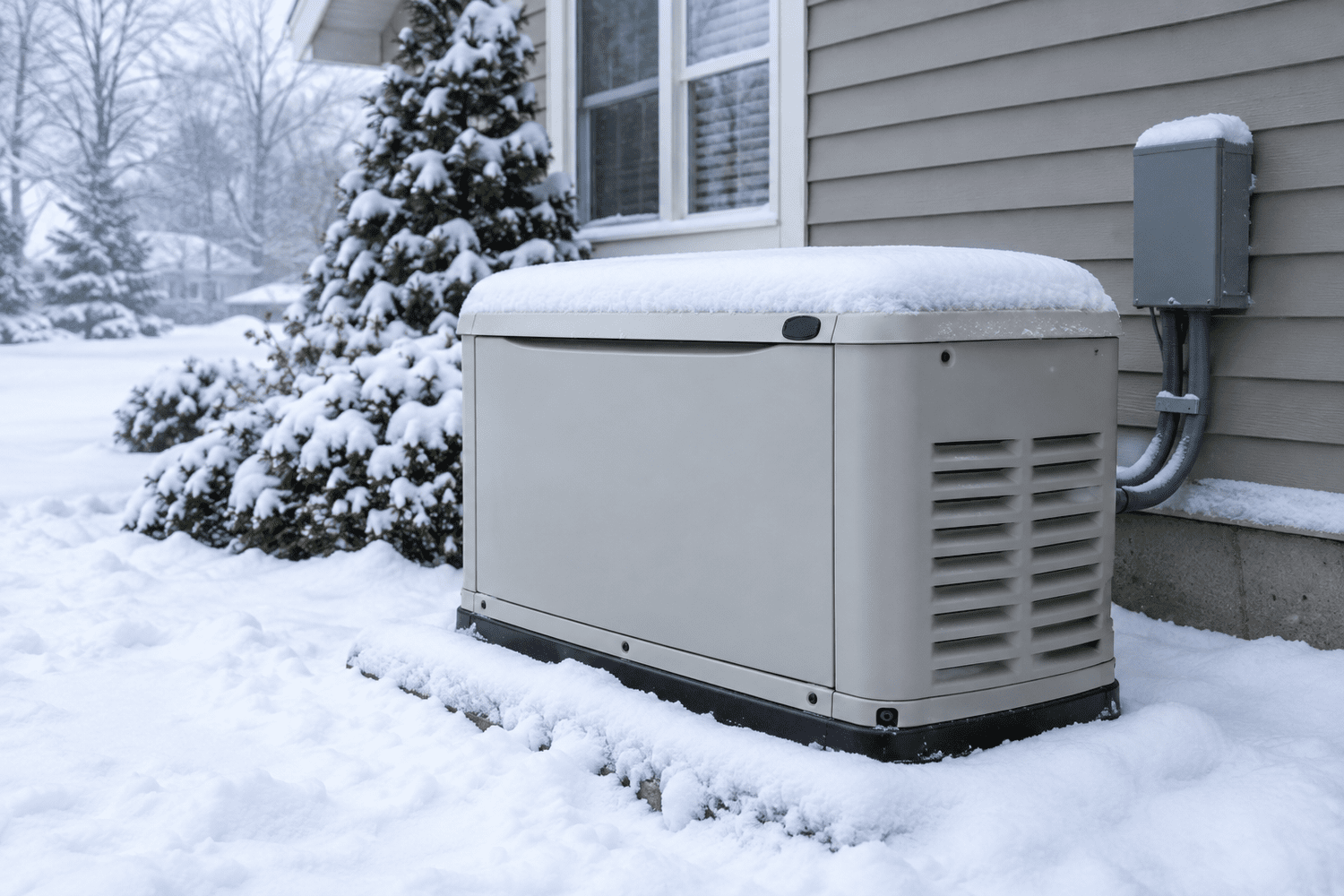
Is Your Home Ready for a Winter Power Outage?
When winter arrives, freezing temperatures, snow, and ice can create the perfect conditions for unexpected power outages. Here's how to prepare and why a whole-home generator may be the solution.
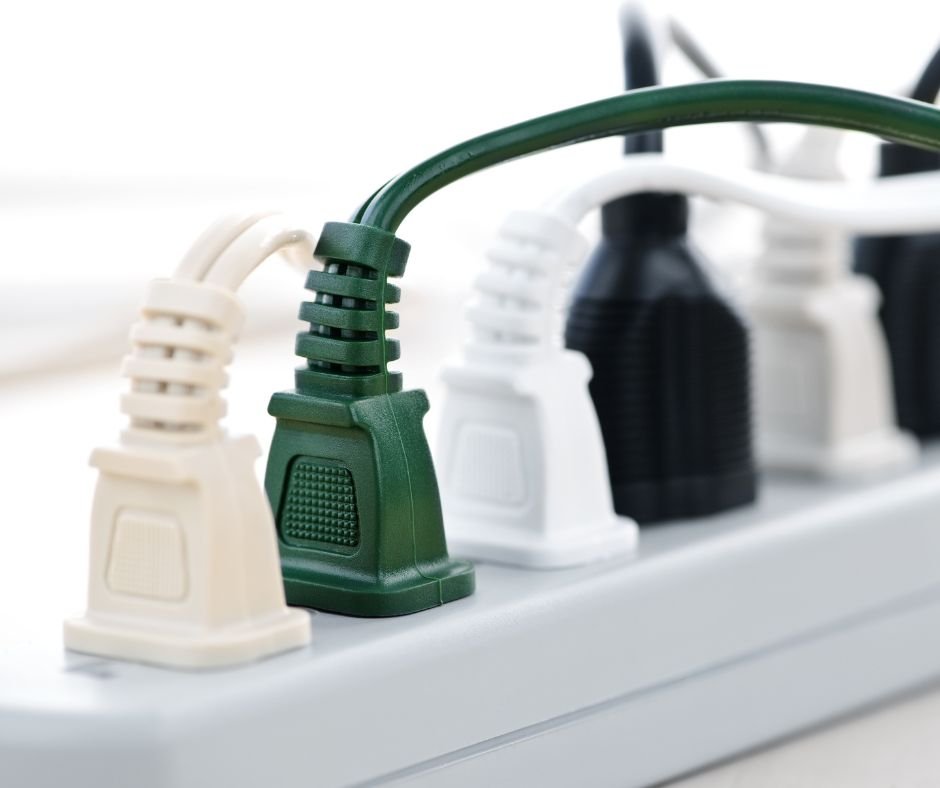
How to Protect Your Home from Power Surges
Power surges are one of the most common, and often overlooked, electrical threats to your home. Learn what causes them and how to protect your electronics and appliances.

Why Summer Is the Perfect Time to Install a Whole-Home Generator
If you've been thinking about installing a whole-home generator, summer is the ideal time to do it. Waiting until the next major storm hits could leave you scrambling.