
How to Protect Your Home from Power Surges
Power surges are one of the most common, and often overlooked, electrical threats to your home. While many homeowners think of power surges as a rare occurrence caused by lightning strikes, the truth is that small surges happen regularly and can slowly damage your electronics, appliances, and electrical system over time.
At Coffing Electric, we want to help homeowners understand what power surges are and how to protect their homes from costly damage.
What Is a Power Surge?
A power surge is a sudden increase in electrical voltage flowing through your home's wiring. Most household electronics are designed to operate within a specific voltage range. When that voltage suddenly spikes, it can overwhelm sensitive components and cause immediate or gradual damage.
Power surges can last only a fraction of a second, but that's all it takes to harm expensive electronics and appliances.
Common Causes of Power Surges
Many people associate power surges with severe weather, but there are several other common causes, including:
Lightning strikes
Downed power lines
Utility grid switching
Faulty or outdated wiring
Large appliances cycling on and off
Overloaded electrical circuits
Even everyday appliances like air conditioners, refrigerators, and sump pumps can create small internal surges as they start and stop.
What Can Be Damaged?
Modern homes are filled with sensitive electronics that can be affected by power surges, including:
Computers and laptops
Smart home devices
Kitchen appliances
Washers and dryers
Charging stations and electronics
Repeated exposure to smaller surges can shorten the lifespan of these devices without showing obvious signs of damage right away.
How to Protect Your Home
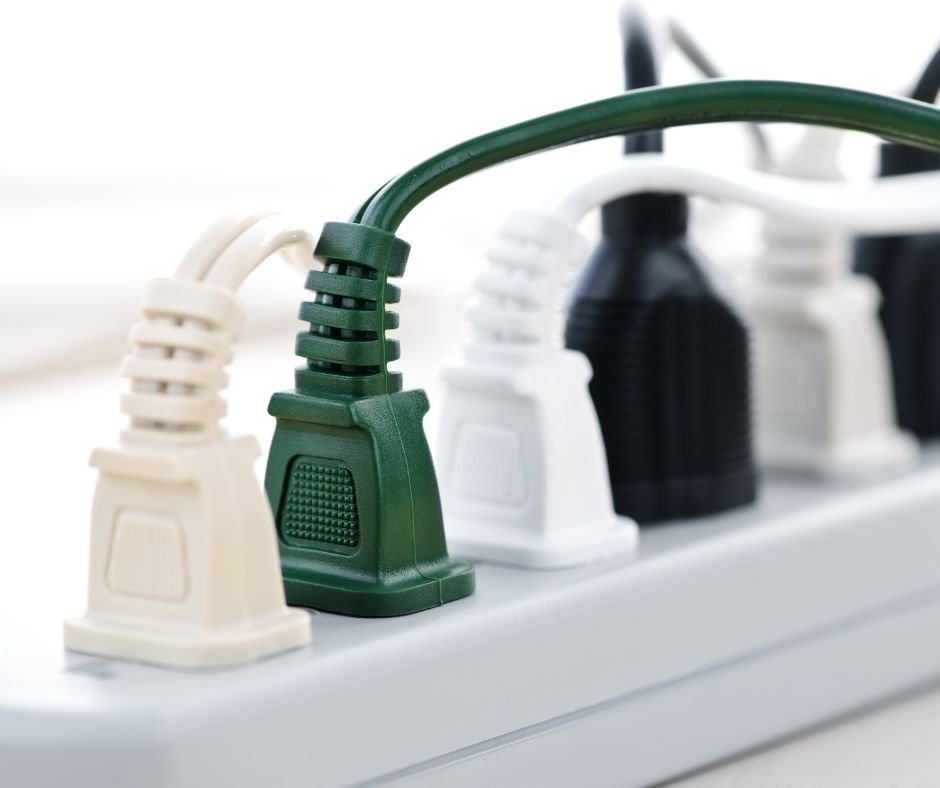
Use Surge Protector Power Strips
Not all power strips provide surge protection. Look for surge protectors that are specifically rated to absorb excess voltage. These devices offer an additional layer of protection for computers, televisions, and other valuable electronics.
Unplug Electronics During Severe Storms
If a major storm is approaching, unplugging sensitive electronics can help prevent damage from lightning-related surges. While this may not always be practical, it's one of the most effective protective measures.
Avoid Overloading Circuits
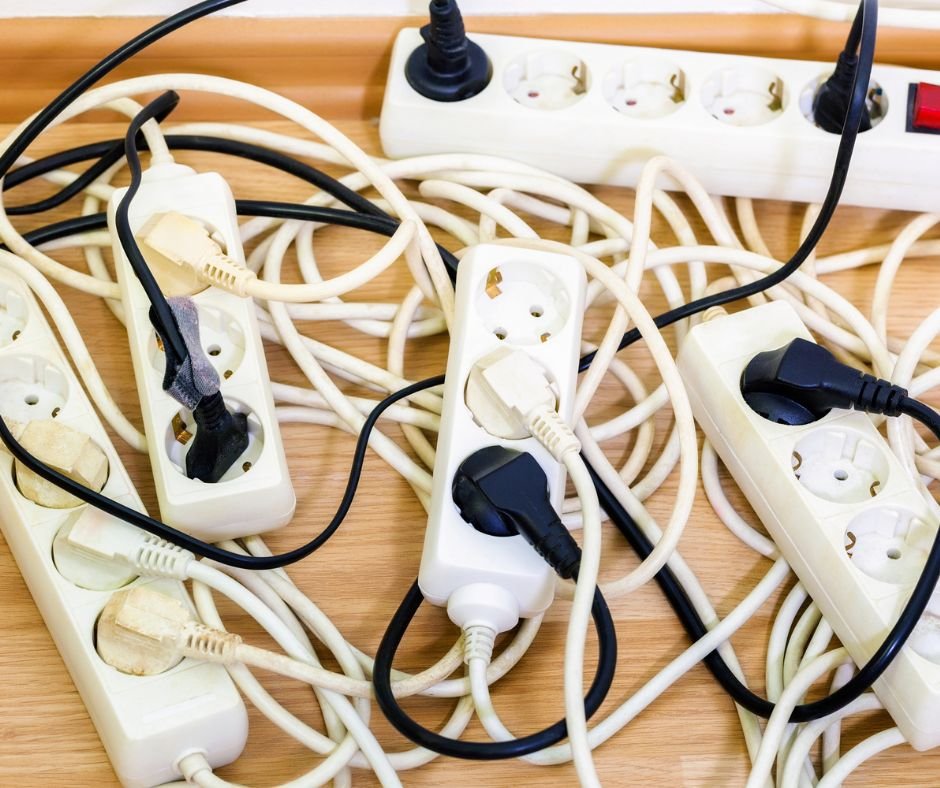
Plugging too many devices into a single outlet or circuit can increase electrical stress and contribute to problems. Spread electrical loads across multiple outlets when possible and avoid excessive use of extension cords.
Schedule Electrical Inspections
An annual electrical inspection can catch issues like outdated wiring, degraded panels, or overloaded circuits before they cause damage. A licensed electrician can also recommend whole-home surge protection, which installs directly at your electrical panel to protect your entire system.
Consider Whole-Home Surge Protection
Whole-home surge protectors are installed at your main electrical panel and provide protection for your entire electrical system, not just individual devices. This is one of the most effective ways to safeguard your home against larger surges.
When to Call a Professional
If you've noticed flickering lights, tripped breakers, burning smells, or outlets that feel warm to the touch, contact a licensed electrician right away. These can be signs of underlying electrical issues that need professional attention.
At Coffing Electric, we help homeowners across Central Ohio protect their homes and electrical systems. Whether you need a panel inspection, whole-home surge protection, or help troubleshooting an electrical issue, our team is ready to help.
Contact us today to schedule an inspection or learn more about protecting your home from power surges.
Keep Reading
More from the Blog

Why Summer Is the Perfect Time to Install a Whole-Home Generator
If you've been thinking about installing a whole-home generator, summer is the ideal time to do it. Waiting until the next major storm hits could leave you scrambling.
Saving Energy During the Summer Months
As temperatures rise during the summer, so can your energy bills. Learn simple ways to reduce energy use and keep your home comfortable without overloading your electrical system.
Common Electrical Problems in Older Homes
Older homes have character and charm, but aging electrical systems can create serious safety concerns. Here are the most common problems we see and why they shouldn't be ignored.