
Is Your Home Ready for a Winter Power Outage?
So here's the thing about winter outages in Ohio. It's not usually the snow. It's the ice.
You get a night of freezing rain. The ice piles up on the lines, and on the branches over the lines, and at some point something snaps. Then it's 2 in the morning and the whole street is dark.
If that happens in the summer, fine. You open a window and go back to sleep. In January it's not fine.
I hear this one a lot: "We've got a gas furnace, so we're good." Well, no. Your gas furnace still needs power. No power, no blower, no igniter, no heat. Your sump pump is out too. And if you're on a well, so is your water.
That's when people call us. Usually after. I'd rather you call before, so here's what I tell folks.
Have a little kit ready
It doesn't have to be a big deal. A couple flashlights. Batteries that still work (check them, a lot of them don't). Blankets. Water. Some food you can eat cold. A first-aid kit. A charger brick or two for the phones.
Put it all in one bin. One spot. You don't want to be digging around the garage in the dark trying to find it.
Watch your pipes
Frozen pipes are the big one. That's where an outage turns into a real bill.
The bad spots are the same in almost every house. Pipes on outside walls. Pipes in the crawl space. Pipes in a garage that isn't heated. Foam pipe sleeves cost next to nothing at the hardware store, and you can do it yourself on a Saturday.
If the power's out and it's getting cold in the house, open up the cabinets under the sinks. Let a faucet drip a little. It helps.
Test your smoke and CO detectors
Please don't skip this one.
When the power goes out, people get creative. Space heaters. Candles. The camp stove. A generator. That's how folks end up with carbon monoxide in the house, and you can't smell it.
So test the detectors. Put new batteries in. And if you've got a portable generator, it goes outside. Not in the garage. Not in the garage with the door up, either. Outside, and away from the windows and doors.
Know where your panel is
Sounds simple. But I can't tell you how many panels I've seen behind a shelf, or a freezer, or a pile of boxes. You want to be able to get to it. And it really helps if the breakers are labeled, so you're not flipping them one by one with a flashlight in your mouth.
Now, if you want to hook a portable generator up to the house, you need a transfer switch or an interlock. Have an electrician put it in. Don't plug the generator into a dryer outlet. That's called backfeeding. It can hurt you, and it can send power back out on the line, where a lineman is working to get your power back on. It's not worth it.
Or just get a standby generator
Look, a kit gets you through a few hours. Maybe a night. But we've had outages around here that went two, three days. By day two, nobody's having fun.
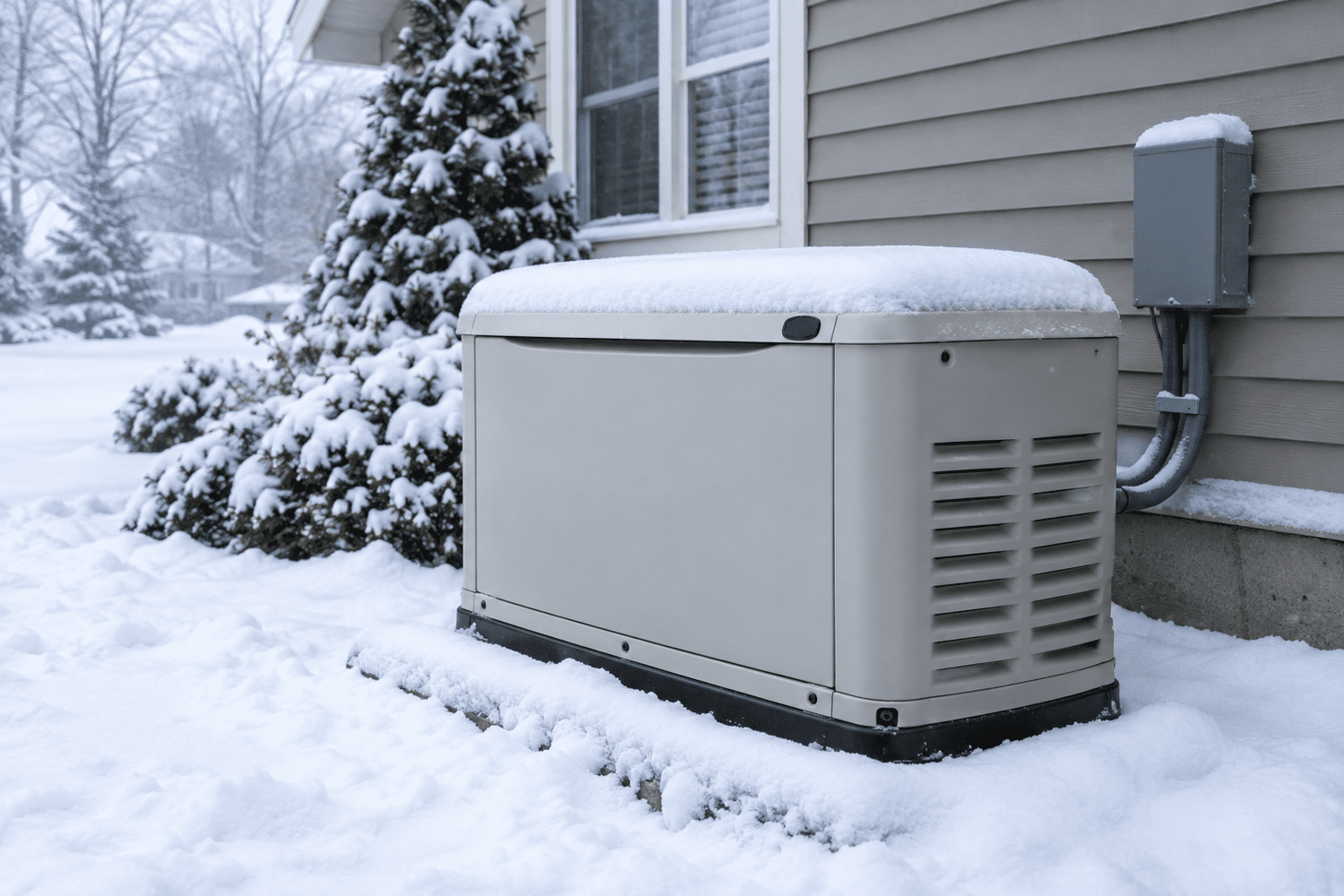
That's why I like standby generators. It sits on a pad outside, next to the house. It runs on your natural gas or propane. It's tied into your panel with an automatic transfer switch.
When the power goes out, it knows. It kicks on by itself, usually in a few seconds. You don't have to go out in the sleet and fight with a pull cord. You might not even wake up.
You can size it to run the whole house. Or just the stuff you really care about. The furnace, the fridge, the sump pump, the well pump, a few lights. And the Wi-Fi, because the kids will ask about the Wi-Fi first.
They do need some care
A generator isn't a set it and forget it thing. Most of them run a quick test on their own every week, which is nice, but that's not the same as a real service. Once a year it should get looked at. Oil, filters, battery, and a load test to make sure it can actually carry the house.
The one that sat for three years with nobody touching it? That's the one that won't start when you need it.
Don't wait for the storm
The worst time to call about a generator is when the storm is already on the news. Everyone calls at once. And an install isn't a one day thing. There are permits. There's gas line work. Sometimes the utility has to sign off too.
So if you're in Central Ohio and you've been thinking about it, now's a good time. Give us a call. We'll come out, figure out what you need running, help you pick the right size, and take care of it from there. Install, upkeep, all of it.
Keep Reading
More from the Blog
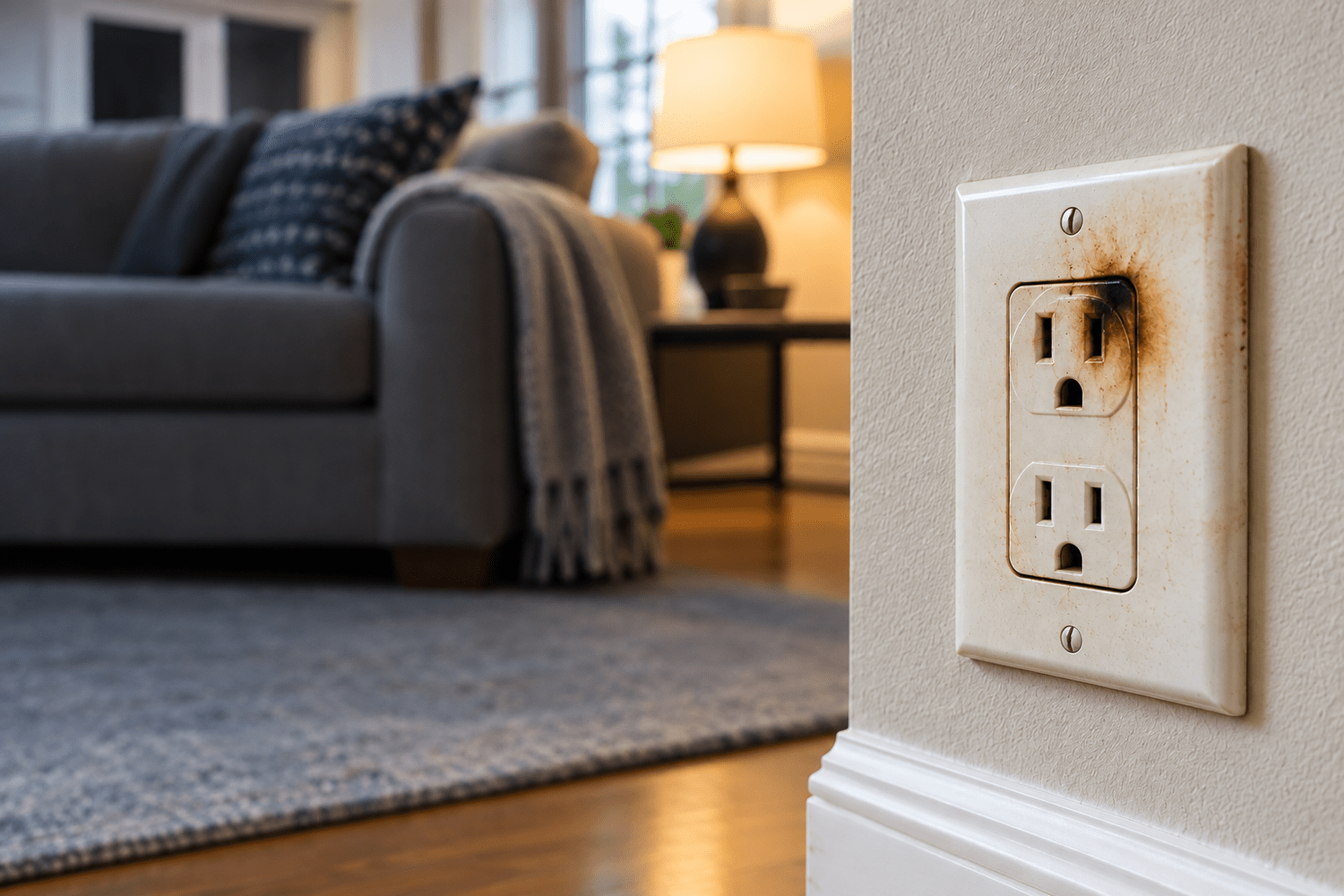
7 Warning Signs Your Home's Electrical System Needs Attention
Your home's electrical system works hard every day, but small warning signs can point to bigger problems. Here are seven signs it's time to call a licensed electrician.
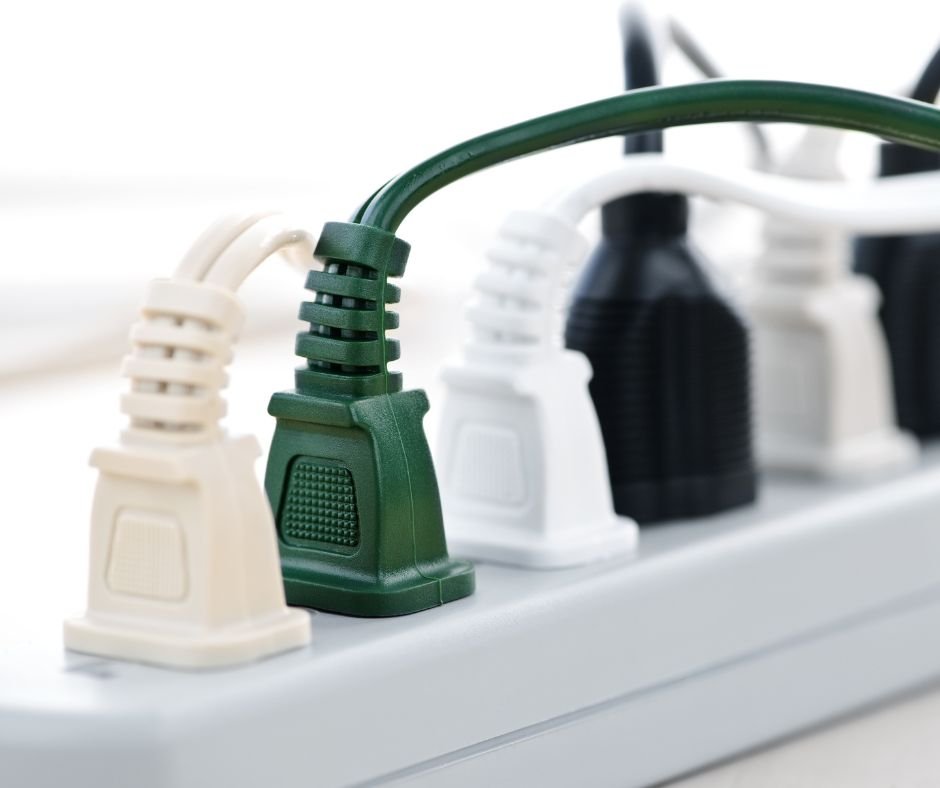
How to Protect Your Home from Power Surges
Power surges are one of the most common, and often overlooked, electrical threats to your home. Learn what causes them and how to protect your electronics and appliances.

Why Summer Is the Perfect Time to Install a Whole-Home Generator
If you've been thinking about installing a whole-home generator, summer is the ideal time to do it. Waiting until the next major storm hits could leave you scrambling.