
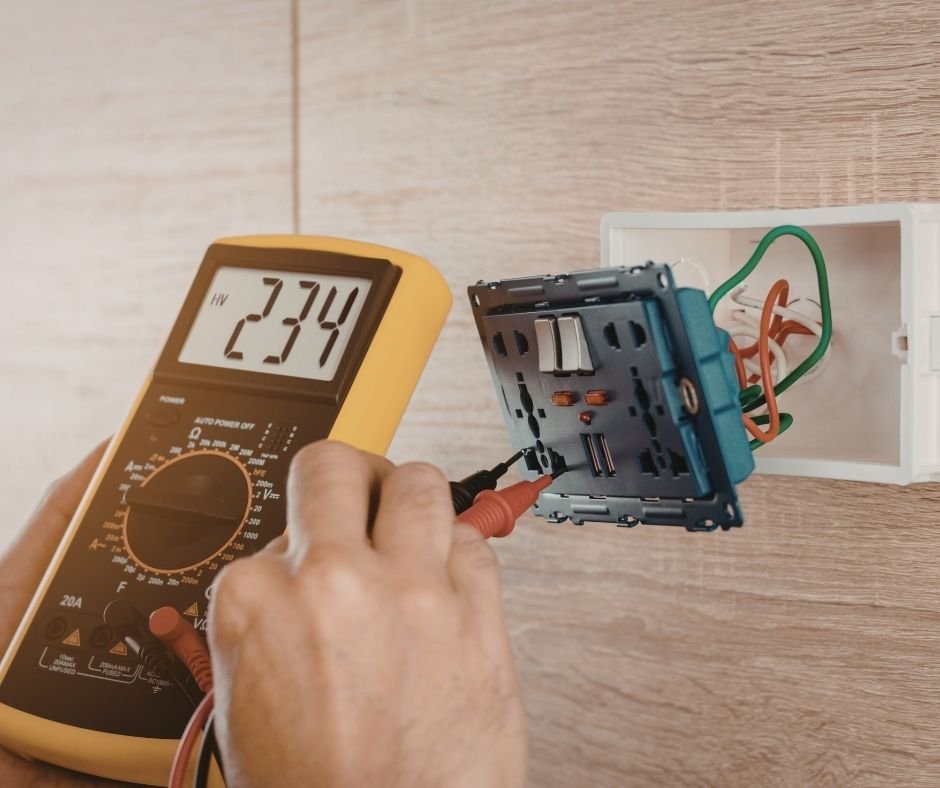
How Often Should You Have an Electrical Inspection?
Your home's electrical system works quietly behind the scenes every day, powering everything from lights and appliances to chargers and entertainment systems. Because it's mostly hidden behind walls, it's easy to forget about, until something goes wrong. Regular electrical inspections help catch small problems before they become expensive or dangerous.
At Coffing Electric, we help homeowners across Central Ohio keep their electrical systems safe and up to code. Here's a guide to how often you should have an electrical inspection and when to schedule one sooner.
General Rule: Every 3 to 5 Years
For most homes, a full electrical inspection every 3 to 5 years is a good baseline. Even if everything seems to be working fine, an electrician can identify wear, outdated components, or code violations that aren't obvious to the untrained eye. Regular inspections help ensure your system can safely handle your household's current power demands.
When You Buy or Sell a Home
If you're buying a home, an electrical inspection should be part of your due diligence. It can reveal outdated wiring, undersized panels, or safety hazards before you commit. If you're selling, an inspection can help you address issues upfront and make the sale go more smoothly.
If Your Home Is More Than 40 Years Old
Older homes are more likely to have outdated wiring, aging panels, and components that no longer meet modern safety codes. If your home is more than 40 years old and hasn't had a recent inspection, it's a good idea to schedule one, especially if you've added new appliances or electronics.
After a Major Renovation
Any time you add a room, finish a basement, upgrade a kitchen, or install a large appliance like an EV charger or hot tub, your electrical system changes. An inspection after major renovations ensures the new work was done safely and that your panel and circuits can handle the added load.
After a Storm or Power Surge
Severe storms, lightning, and power surges can damage wiring, outlets, and panels even if the damage isn't immediately visible. If your home has been through a major storm or experienced a significant power surge, an inspection can catch hidden damage early.
If You Notice Warning Signs
Don't wait for a scheduled inspection if you notice any of these warning signs:
Frequently tripped breakers
Flickering or dimming lights
Warm or discolored outlets
Burning smells near outlets or the panel
Buzzing sounds from outlets or switches
These can indicate serious issues that need immediate attention from a licensed electrician.
What Happens During an Inspection?
During a professional electrical inspection, an electrician will check your panel, breakers, outlets, wiring, and grounding. They'll look for outdated components, overloaded circuits, and code violations, and provide a report of any recommended repairs or upgrades.
Why Regular Inspections Matter
Electrical problems are one of the leading causes of house fires. Regular inspections help catch issues like frayed wiring, overloaded circuits, and outdated panels before they become dangerous. They also help your system run more efficiently, which can lower your energy bills.
Schedule Your Inspection Today
If it's been more than a few years since your last electrical inspection, or if you've noticed any warning signs, don't wait. Contact Coffing Electric today to schedule a professional inspection and keep your home safe and up to code.
Keep Reading
More from the Blog
How to Protect Your Home from Power Surges
Power surges are one of the most common, and often overlooked, electrical threats to your home. Learn what causes them and how to protect your electronics and appliances.

Why Summer Is the Perfect Time to Install a Whole-Home Generator
If you've been thinking about installing a whole-home generator, summer is the ideal time to do it. Waiting until the next major storm hits could leave you scrambling.
Saving Energy During the Summer Months
As temperatures rise during the summer, so can your energy bills. Learn simple ways to reduce energy use and keep your home comfortable without overloading your electrical system.