
Smart Ways to Save Electricity During the Summer
Summer brings longer days, warmer weather, and often, soaring energy bills. As temperatures rise, so does our reliance on air conditioning, fans, and refrigerators—all major contributors to electricity consumption. However, with a few thoughtful strategies, you can keep your home comfortable while reducing your power usage and saving money. Here are some effective tips to help you save electricity during the hottest months of the year.
1. Optimize Your Air Conditioning Usage
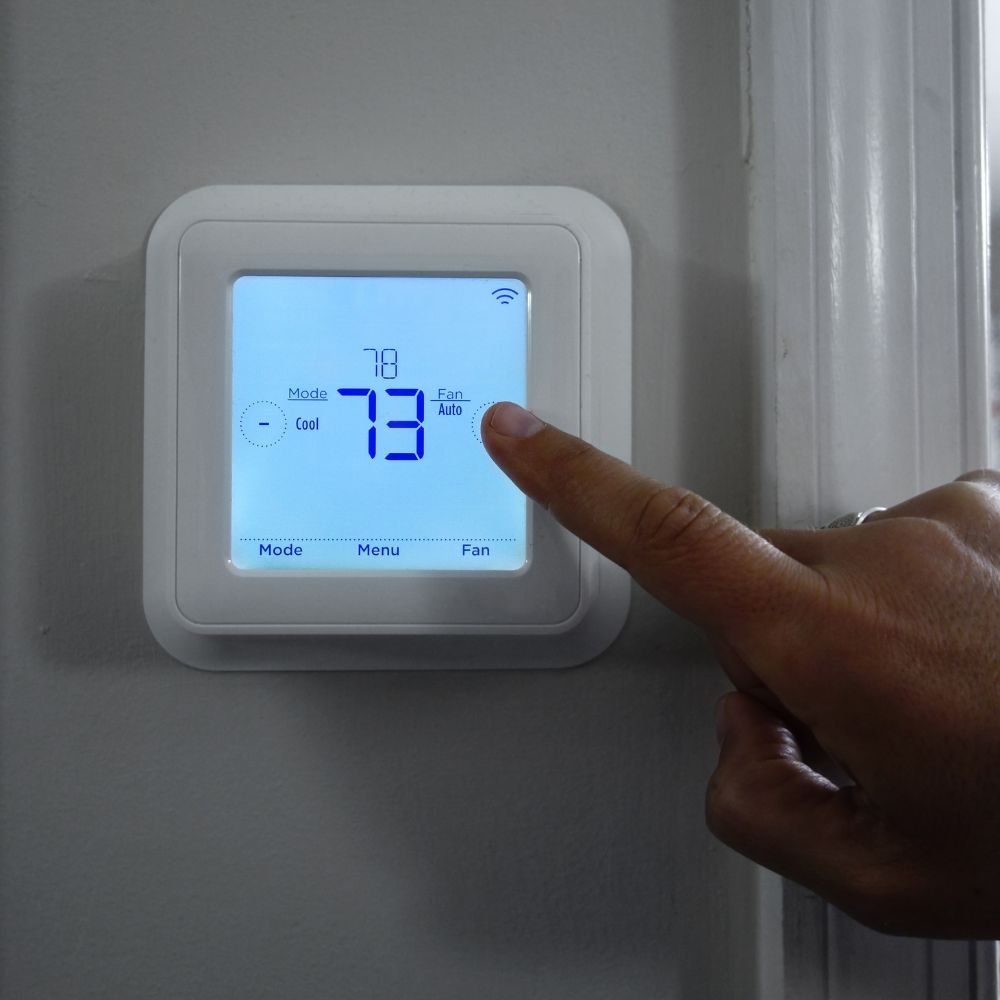
Air conditioners are among the biggest energy consumers in most households during summer. To maximize efficiency, set your thermostat between 24-26°C (75-78°F). Every degree lower can increase your energy usage by up to 8%. Use fans to circulate cool air and consider installing a programmable thermostat to automatically raise the temperature when you’re not home. Regularly clean or replace air filters to ensure your unit is working efficiently.
2. Use Fans Wisely
Ceiling and portable fans can make a room feel cooler, allowing you to raise the thermostat without sacrificing comfort. Remember, fans cool people—not rooms—so turn them off when you leave. For ceiling fans, ensure they rotate counterclockwise in summer to push cool air downward.
3. Block Out Heat
Sunlight streaming through windows can heat your home quickly. Use curtains, blinds, or shades during the hottest parts of the day to block out solar heat. Reflective window films or blackout curtains can further reduce heat gain and lessen the strain on your air conditioning.
4. Unplug and Upgrade Appliances
Many electronics and appliances draw power even when turned off—a phenomenon known as “phantom load.” Unplug chargers, computers, and small kitchen appliances when they’re not in use. Consider upgrading to energy-efficient appliances, especially refrigerators and air conditioners, which run continuously during summer months.
5. Switch to LED Lighting
Traditional incandescent bulbs emit heat and consume more electricity. Switching to LED bulbs reduces both heat output and energy usage. Take advantage of longer daylight hours by keeping lights off during the day whenever possible.
6. Seal Leaks and Insulate
Proper insulation keeps cool air inside and hot air out. Check for gaps around windows and doors and seal them with weather-stripping or caulk. Adding insulation to your attic or walls can also make a significant difference in maintaining indoor comfort.
7. Maintain Your Cooling Systems
Regular maintenance of air conditioners and fans ensures they operate efficiently. Clean coils and filters, check refrigerant levels, and schedule professional tune-ups if necessary.
Saving electricity during the summer not only lowers your utility bills but also reduces your environmental footprint. By adopting these simple yet effective habits, you can stay cool and comfortable all season long—without burning through your budget.
Keep Reading
More from the Blog
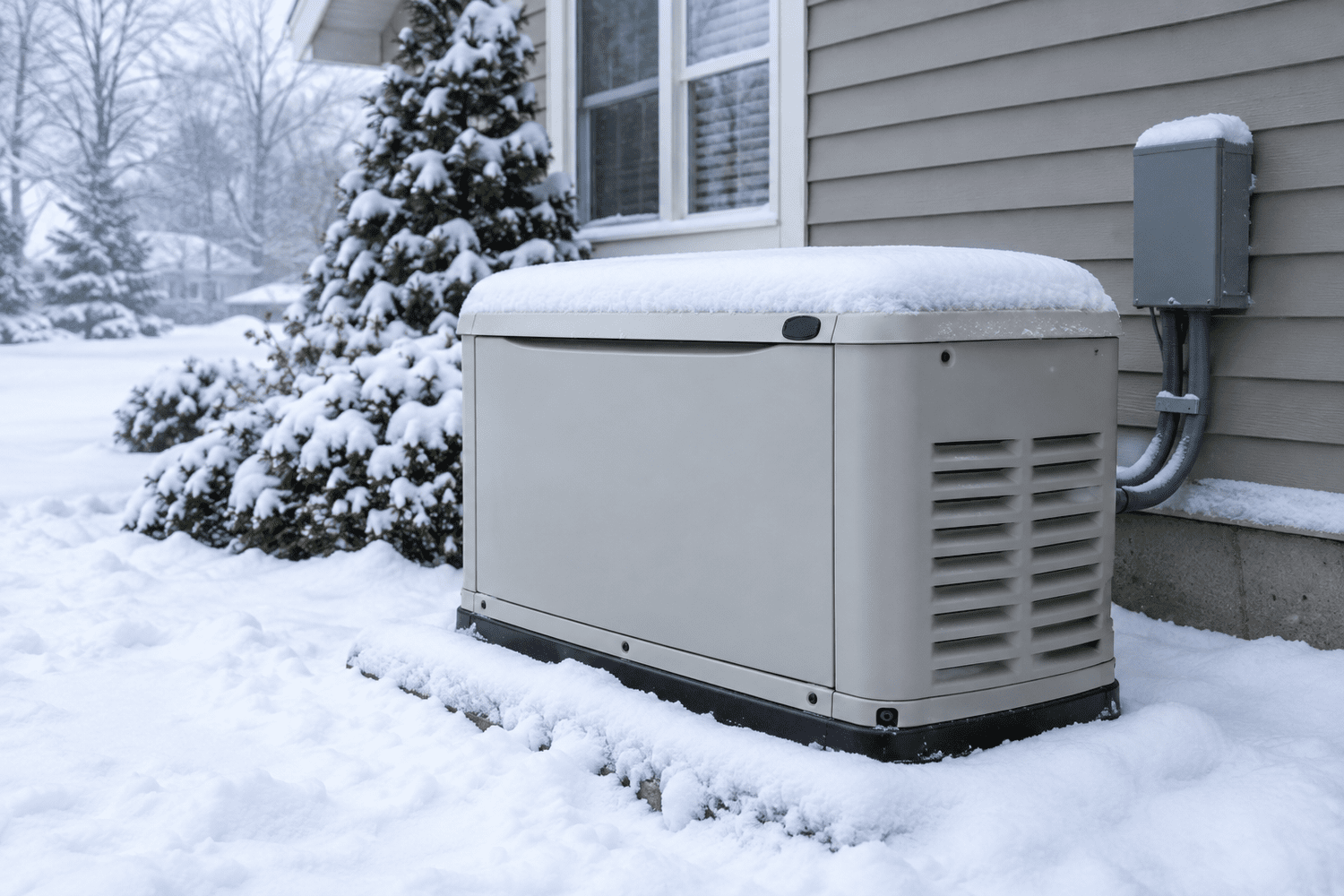
Is Your Home Ready for a Winter Power Outage?
When winter arrives, freezing temperatures, snow, and ice can create the perfect conditions for unexpected power outages. Here's how to prepare and why a whole-home generator may be the solution.
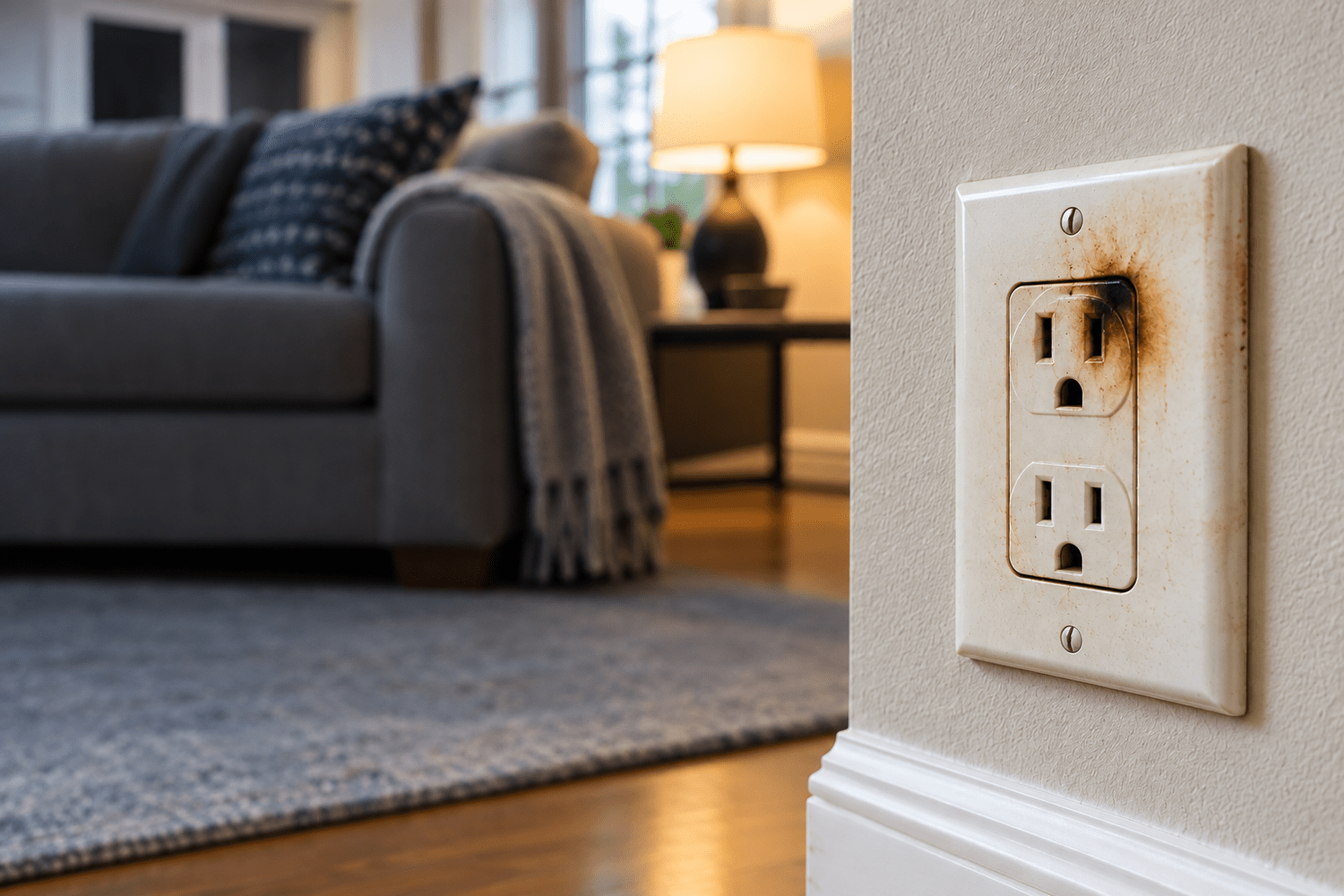
7 Warning Signs Your Home's Electrical System Needs Attention
Your home's electrical system works hard every day, but small warning signs can point to bigger problems. Here are seven signs it's time to call a licensed electrician.
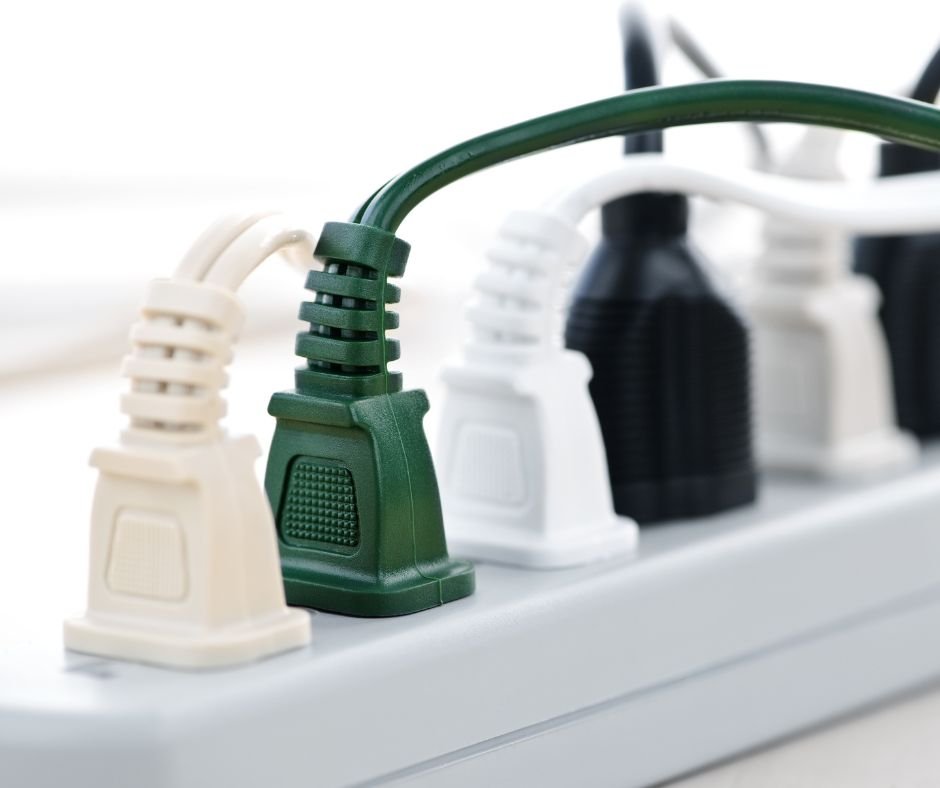
How to Protect Your Home from Power Surges
Power surges are one of the most common, and often overlooked, electrical threats to your home. Learn what causes them and how to protect your electronics and appliances.