The 10 Most Common Electrical Problems in the Typical Home
Electricity keeps your home running smoothly—from lighting and appliances to entertainment and comfort systems. But when electrical issues arise, they can be more than just inconvenient—they can be dangerous. Recognizing the most common electrical problems can help homeowners stay safe and know when it’s time to call a licensed electrician. Here are ten of the most frequent issues found in typical homes.
Flickering lights are often dismissed as harmless, but they can signal loose wiring, an overloaded circuit, or a failing fixture. If multiple lights flicker when large appliances start up, it might indicate that your system is straining to handle the electrical load.
A tripped breaker is your electrical system’s way of protecting itself from overload. Occasional trips aren’t unusual, but if it happens frequently, it may mean the circuit is overloaded or there’s a short circuit that needs attention.
If an outlet suddenly stops working, the cause could be a tripped GFCI outlet, a loose connection, or wiring damage. Don’t ignore dead outlets—they may point to underlying issues that can lead to overheating or fire hazards.
Switch plates or outlets that feel warm or show discoloration are serious warning signs. These symptoms often indicate excessive current flow, poor wiring, or deteriorating connections—all of which can be fire risks.
Electricity should never make noise or emit odors. Buzzing or sizzling sounds and burning smells near outlets, fixtures, or your electrical panel suggest arcing or damaged wiring and require immediate professional attention.
If light bulbs seem to burn out quickly, especially in the same fixture, the problem might not be the bulb—it could be poor wiring, high voltage, or an improperly rated fixture.
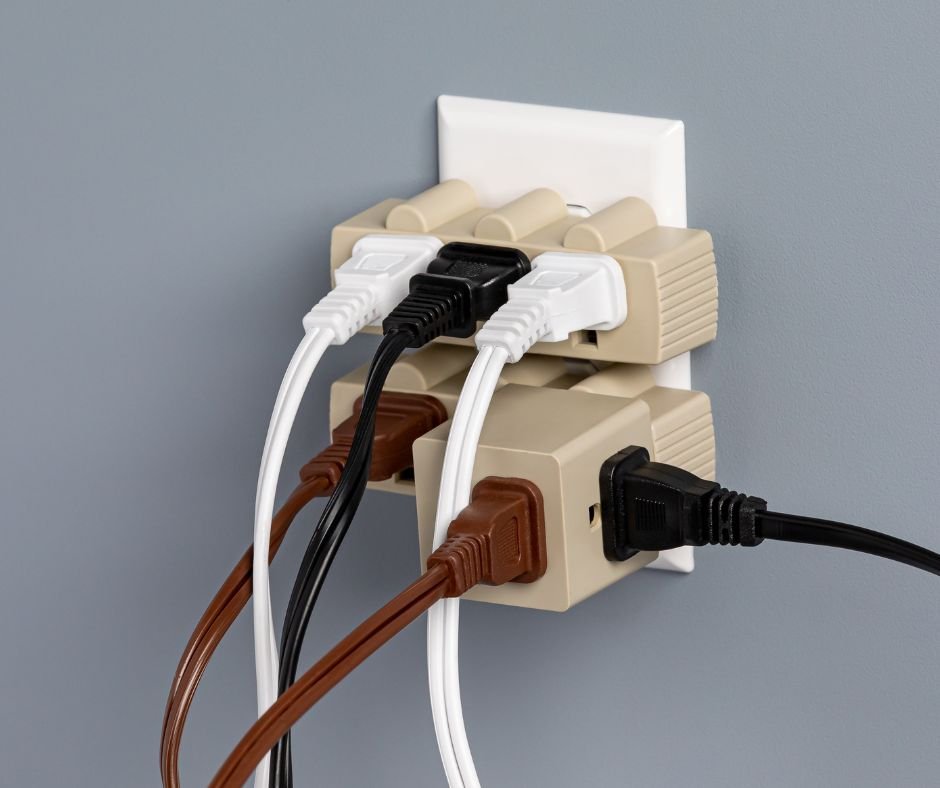
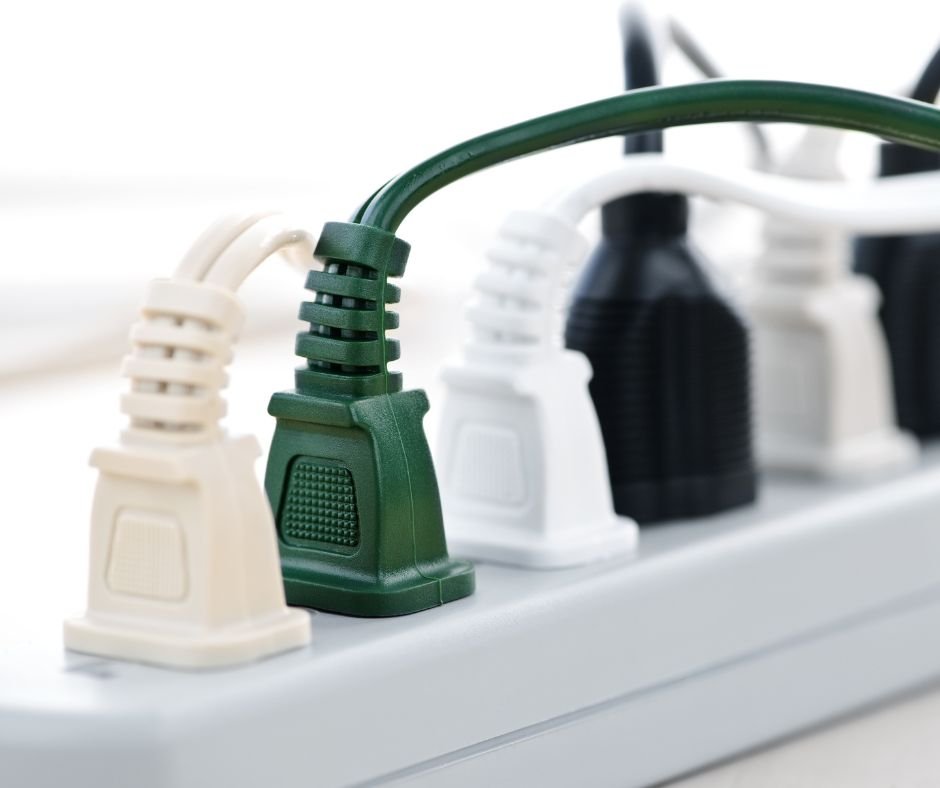
Plugging too many devices into one outlet or using multiple power strips on the same circuit can overload the wiring. This not only risks tripping breakers but can also overheat the wiring, increasing fire danger.
Switches that don’t work consistently, spark, or make crackling sounds can be signs of worn components or wiring issues. Replacing them promptly ensures safety and reliability.
Homes built before the 1980s often contain wiring that can’t safely handle today’s electrical demands. Outdated systems like knob-and-tube or aluminum wiring are prone to overheating and should be evaluated by a licensed electrician.
Modern homes rely on more electronics and high-powered appliances than ever before. If you experience frequent power surges or tripped breakers, your electrical panel may need an upgrade to support your household’s energy needs.
Stay Safe—Don’t DIY Electrical Problems
While some minor electrical issues might seem easy to fix, electrical work can be dangerous if you’re not trained. When in doubt, always call a professional electrician to inspect and repair your system. A qualified expert can diagnose problems safely, ensure your wiring meets current codes, and help keep your home running efficiently and securely.
Keep Reading
More from the Blog
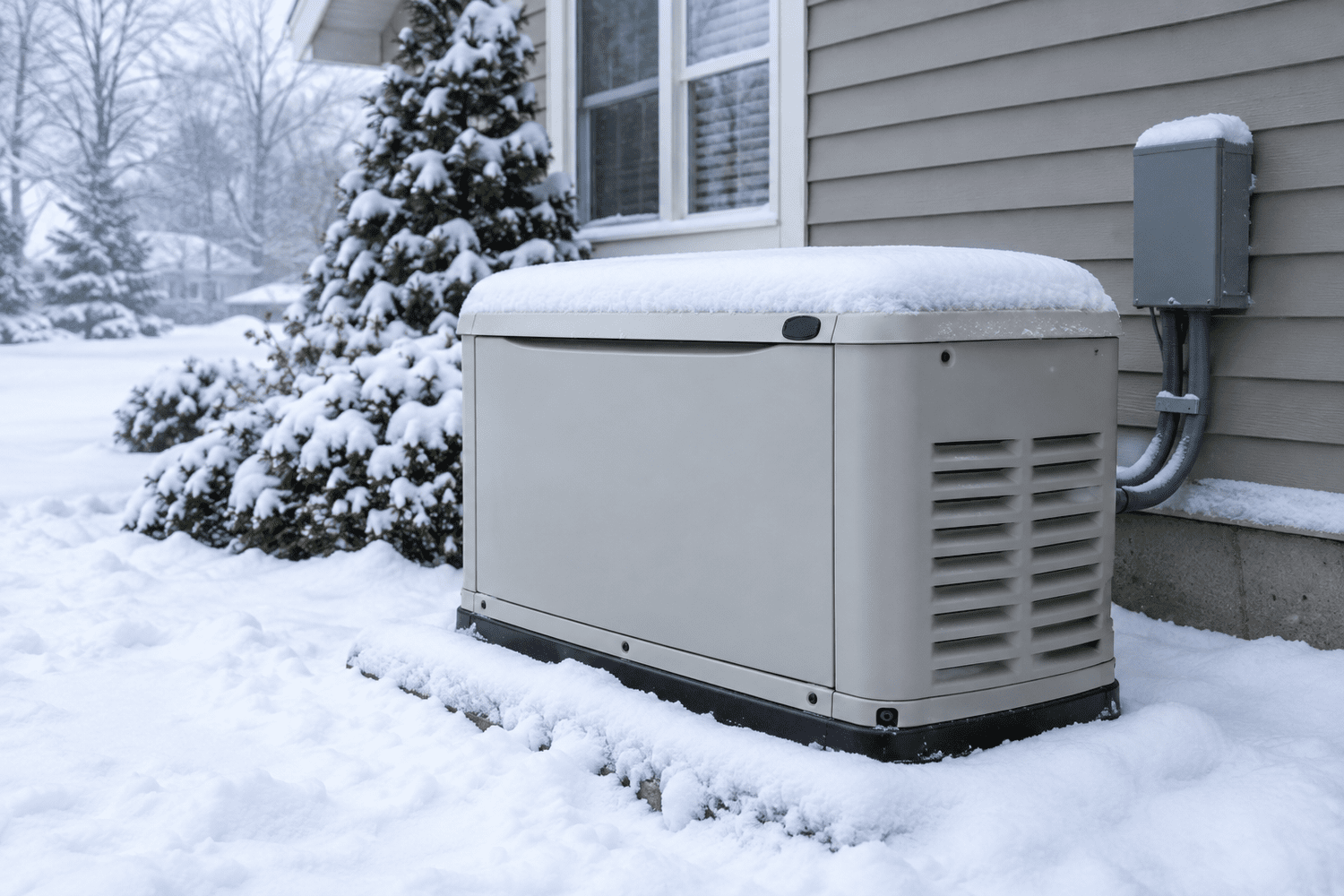
Is Your Home Ready for a Winter Power Outage?
When winter arrives, freezing temperatures, snow, and ice can create the perfect conditions for unexpected power outages. Here's how to prepare and why a whole-home generator may be the solution.
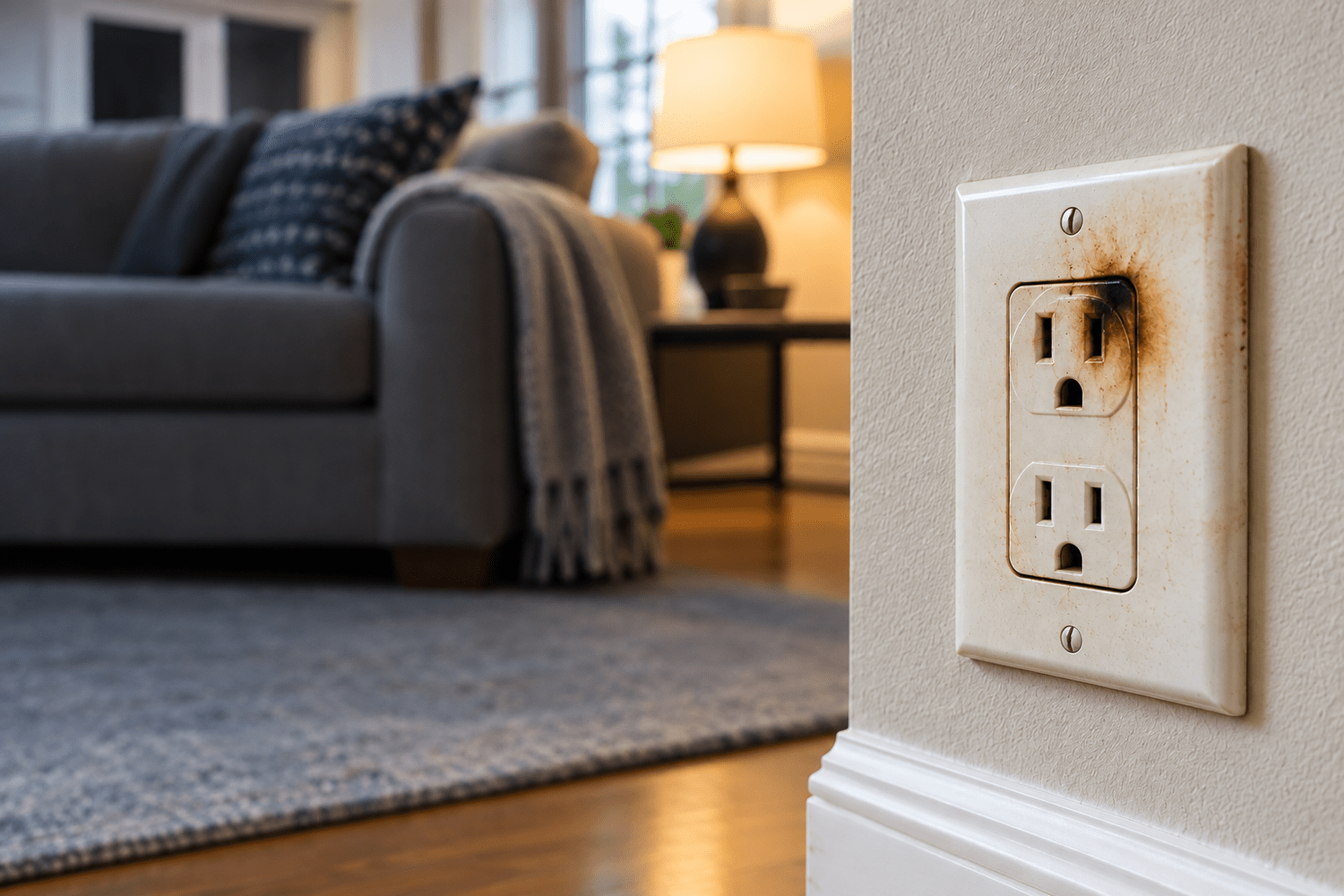
7 Warning Signs Your Home's Electrical System Needs Attention
Your home's electrical system works hard every day, but small warning signs can point to bigger problems. Here are seven signs it's time to call a licensed electrician.
How to Protect Your Home from Power Surges
Power surges are one of the most common, and often overlooked, electrical threats to your home. Learn what causes them and how to protect your electronics and appliances.