
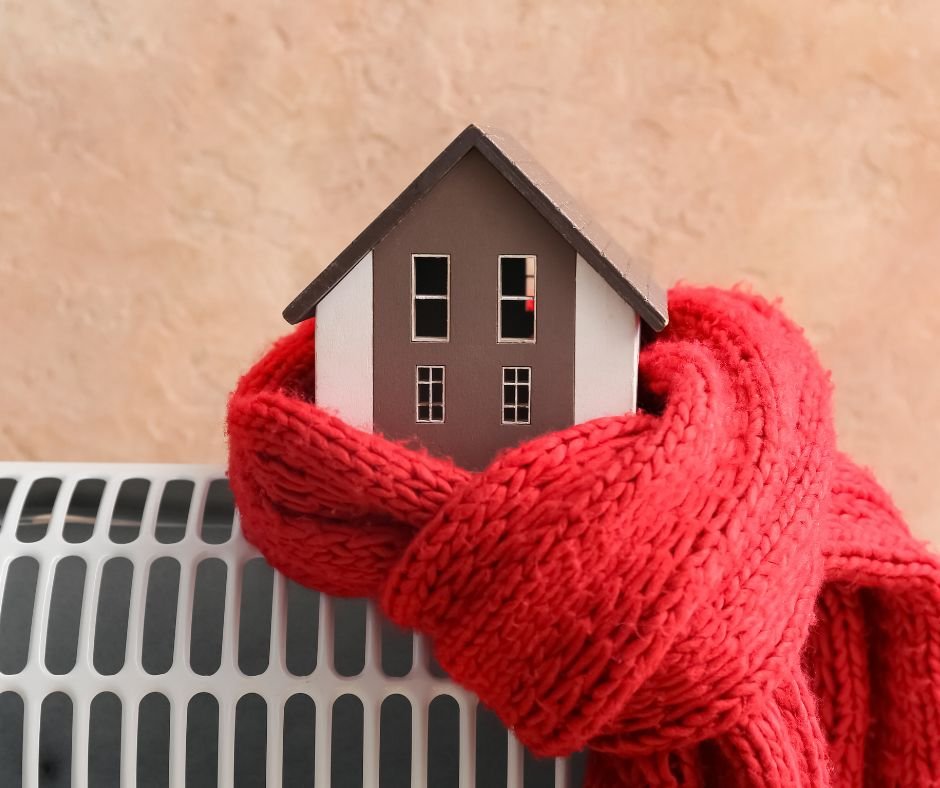
Winter Electrical Tips to Keep Your Home Safe and Efficient
Winter weather brings cozy nights, warm meals, and time with family, but it also brings increased electrical use. From space heaters and electric blankets to holiday lights and extra cooking, your home's electrical system works harder than ever during the colder months.
At Coffing Electric, we want to help you keep your home safe, warm, and efficient all winter long. Here are some practical electrical tips for the season.
Use Space Heaters Safely
Space heaters are a common winter staple, but they're also one of the leading causes of electrical fires. Always plug space heaters directly into the wall, never into extension cords or power strips, and keep them at least three feet away from curtains, bedding, and anything flammable.
With more appliances running in winter, it's easy to overload outlets without realizing it. Spread your electrical devices across multiple circuits, especially when using high-demand items like heaters, electric blankets, or kitchen appliances. If you notice lights flickering when something turns on, a burning smell, or warm outlets, stop using that outlet and call a professional right away.
Winter means more time indoors, and more heating equipment running. Make sure your smoke detectors and carbon monoxide detectors are functioning properly. Replace batteries every six months, test alarms monthly, and replace the devices entirely every 7-10 years.
Snow, ice, and moisture can damage outdoor electrical components. Use weather-rated extension cords and check that all outdoor outlets are equipped with GFCI protection and proper covers. If you decorate with outdoor lights, make sure they're labeled for exterior use and avoid running cords through doorways or windows where they can pinch and fray.
Holiday lights add warmth and charm, but they also add risk. Inspect each strand for damaged wires or cracked sockets before hanging them. Use LED holiday lights, they produce less heat and consume far less electricity. And always turn off decorative lighting before going to bed or leaving the house.
Winter is a great time to have your home's electrical system inspected, especially if you've noticed tripped breakers, buzzing outlets, or inconsistent power. An electrician can identify overloaded circuits, aging panels, or outdated wiring before they turn into bigger problems.
Winter storms often bring power outages, so it's smart to be ready. Keep flashlights, spare batteries, and portable chargers accessible. If you use a generator, never operate it indoors or too close to the house, carbon monoxide is deadly. Follow the manufacturer's guidelines and consider having a transfer switch professionally installed.
Small steps can make a big difference in winter energy costs. Seal drafty windows, unplug unused electronics, and use programmable thermostats to manage heating more efficiently. Proper insulation and LED lighting also help reduce strain on your electrical system.
A little preparation goes a long way toward a safer, more efficient winter season. Stay warm, stay aware, and let your home's electrical system work smarter, not harder, this winter.
Keep Reading
More from the Blog
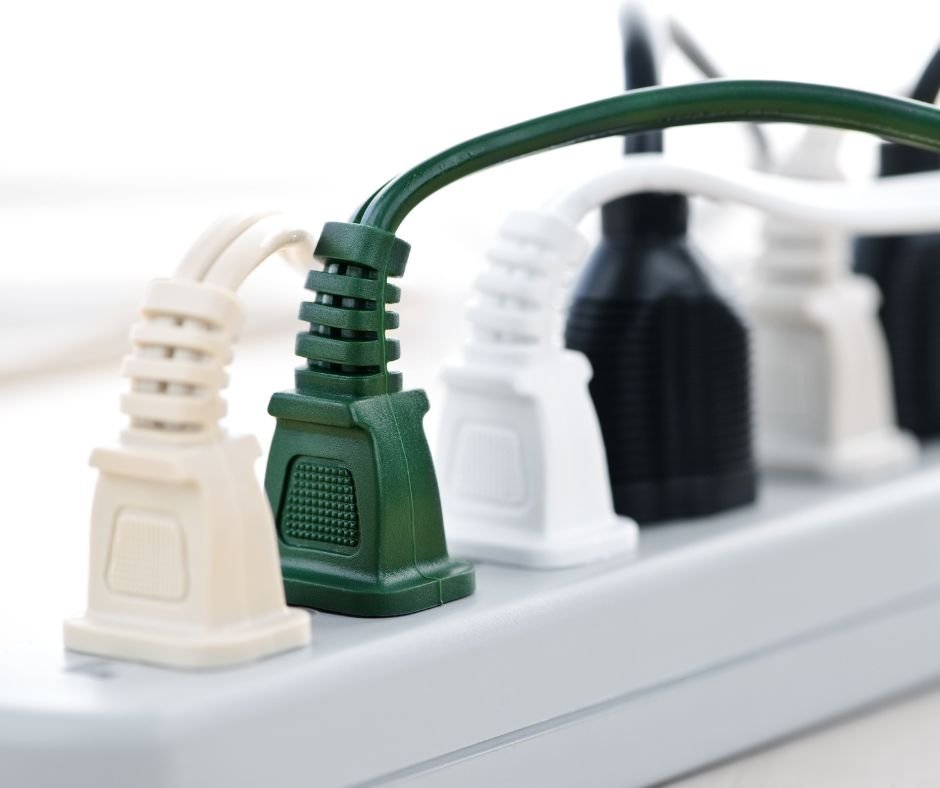
How to Protect Your Home from Power Surges
Power surges are one of the most common, and often overlooked, electrical threats to your home. Learn what causes them and how to protect your electronics and appliances.

Why Summer Is the Perfect Time to Install a Whole-Home Generator
If you've been thinking about installing a whole-home generator, summer is the ideal time to do it. Waiting until the next major storm hits could leave you scrambling.
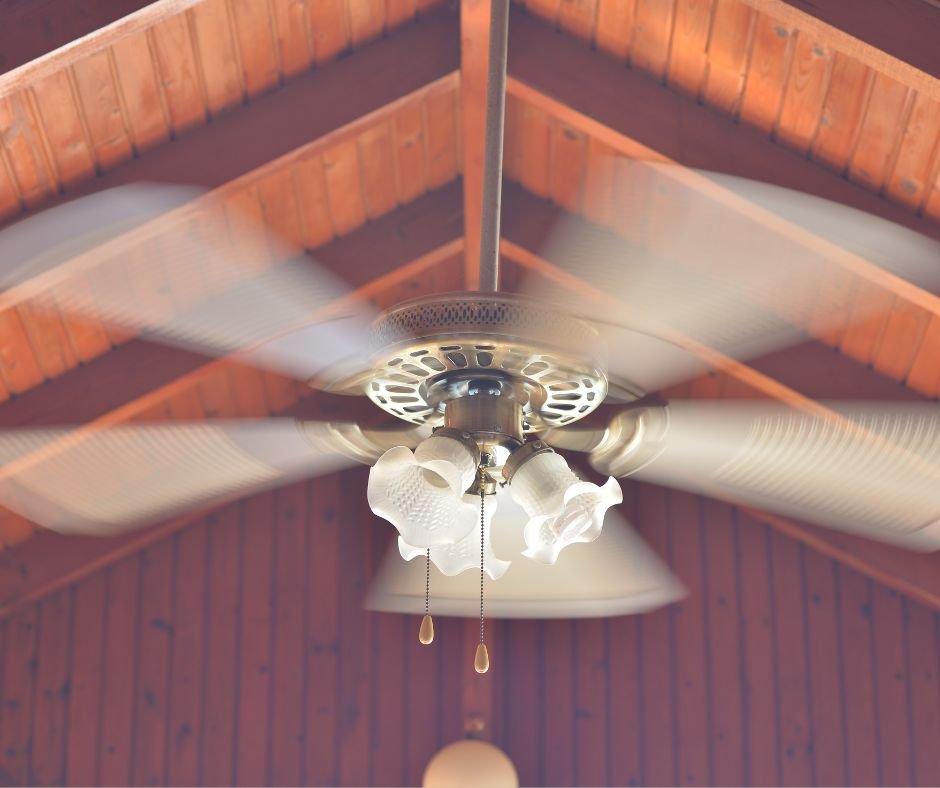
Saving Energy During the Summer Months
As temperatures rise during the summer, so can your energy bills. Learn simple ways to reduce energy use and keep your home comfortable without overloading your electrical system.